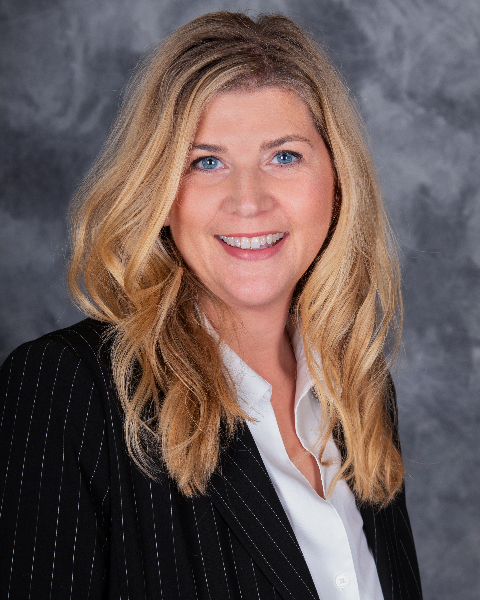
Overview: In the ongoing fight against homelessness, integrating mental health and social support services has become a critical element for sustainable solutions. This session will highlight the innovative strategies employed by Mental Health America of South Central Kansas (MHASCK) to address homelessness through a comprehensive, community-driven model. By leveraging cross-sector collaboration and utilizing Medicaid funding, this approach provides not only immediate shelter but long-term stability for individuals facing severe mental health and substance use challenges.
MHASCK has been a leader in supporting marginalized populations for 30 years, and this session will focus on how the organization has partnered with local governments and healthcare systems to create transformative housing solutions. The goal is to provide participants with a roadmap for implementing similar programs in their own communities, leveraging Medicaid funding, and engaging with local stakeholders to ensure success. The session is also valuable for those looking to understand how Medicaid can be utilized in innovative ways to support these efforts.
Session
Objectives: 1. Demonstrate the Impact of Medicaid-Funded Housing Models: Explore how Medicaid can be utilized to fund supported housing programs and intensive case management services for individuals experiencing homelessness and facing severe mental health or substance use issues. 2. Discuss Cross-Sector Collaboration: Examine the role of community engagement in the creation of low-barrier shelters and navigation centers, and how public and private entities can work together to address the needs of the unhoused. 3. Present a Proven Program Model: Present a detailed breakdown of MHASCK’s supported housing model, including both residential and case management components, with a focus on the integration of services to ensure long-term success. 4. Understand Implementation Challenges and Successes: Provide insight into the real-world challenges faced during program implementation and adaptations made to overcome barriers, with examples from the field. 5. Share a Real-Life Impact Story: Highlight an inspiring success story of an individual who has been successfully housed and supported through the program, illustrating the transformative potential of holistic approaches to homelessness.
Conclusion: As homelessness continues to challenge communities across the country, a coordinated approach that addresses both housing and health needs is essential. This session will provide participants with the knowledge, tools, and inspiration needed to create impactful, sustainable solutions for the unhoused in their own communities. Attendees will leave with a deeper understanding of how to integrate housing-first principles with Medicaid-funded services and how to advocate for systemic changes that can improve lives on a large scale.
Learning Objective 1:: Attendees will achieve greater understanding of funding sources for addressing homelessness.
Learning Objective 2:: Attendees will learn how to operationalize intensive case management programs to achieve long term outcomes for those at risk or currently unhoused with complex needs.